

![Tres Oculos Que Se Cruzan / Studio THEM [Lynch + Crembil]](https://images.squarespace-cdn.com/content/v1/53e44de5e4b0de792335d813/1702392025144-P974VOFUQ2S26GP57RDW/DSC_0496.JPG)
2024 - PRESENT
BROOKLYN, NEW YORK
Interboro Partners
Senior Planner, Project Manager
I currently work as a senior planner and project manager with Interboro Partners, a multi-disciplinary firm based in Brooklyn, New York that offers inclusive and inventive urban planning and architectural design services. The firm’s work emphasizes good listening, keen observation, and productive community engagement. It uses a participatory, place-specific approach to create consensus around complex projects ranging from buildings, parks, and open spaces to neighborhood, city, and regional plans.
Baden-North Pointe Neighborhood Plan
St. Louis, Missouri
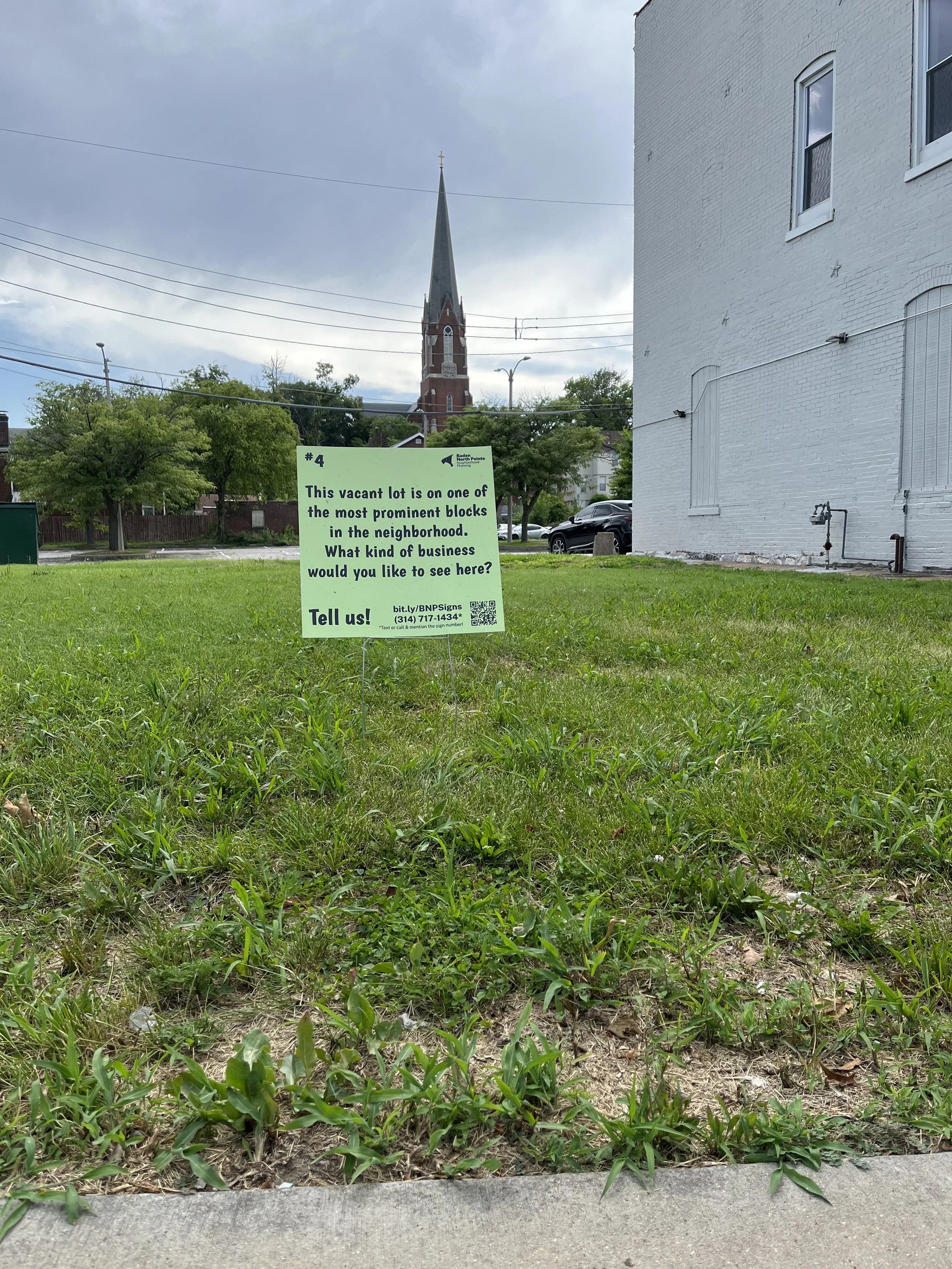
The Baden and North Pointe Neighborhood Plan is part of the PlanSTL initiative which aims to create community-based, visionary plans for neighborhoods in North St. Louis, an area which has experienced historic disinvestment and depopulation since the mid-20th century. These historic factors have resulted in high vacancy rates and other significant challenges. Baden and North Pointe also face the especially pressing issue of high flood risk. The project area’s proximity to the Mississippi River makes it highly vulnerable to extreme weather events, and during the historic St. Louis floods in 2022, both neighborhoods were devastated. The planning process aims to address these challenges and provide a much-needed framework for strategically investing public money in transformative projects and programs, and attracting new development opportunities to the neighborhoods.
The final plan will be heavily guided by an extensive and inclusive community engagement process that centers neighborhood-based organizations and their existing networks and relationships. The engagement process involves collaboration with a Neighborhood Planning Committee and Neighborhood Ambassadors, public workshops, youth engagement workshops, pop-up events, newsletters, and digital engagement such as social media pages, surveys, and a website.
Project Connect: “Our Plan”
St. Louis, Missouri
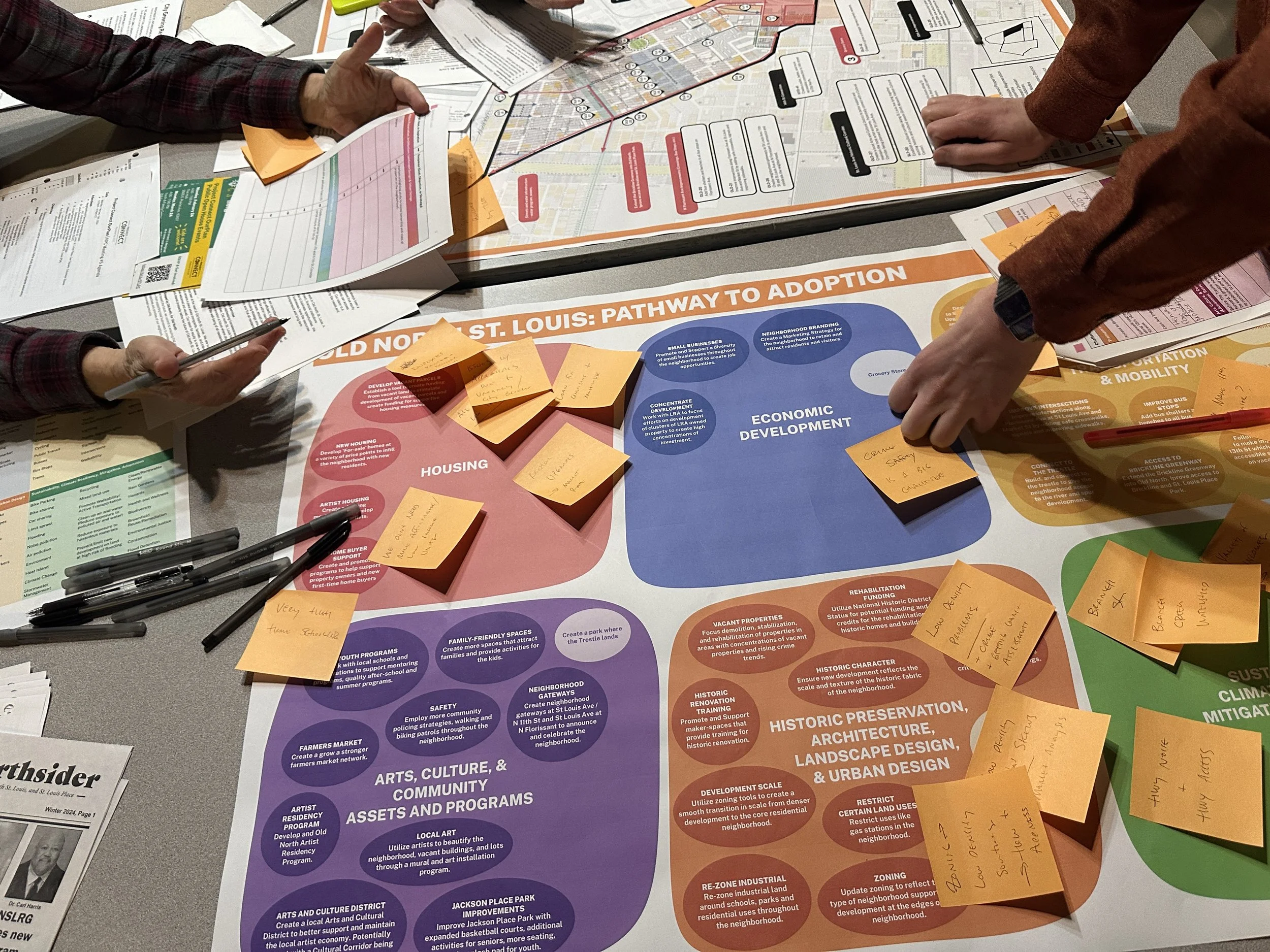
Interboro is currently leading the Project Connect OUR PLAN neighborhood planning process for six neighborhoods in North St. Louis: Carr Square, Columbus Square, Hyde Park, Jeff-Vander-Lou, Old North St. Louis, and St. Louis Place. These six neighborhoods surround the 97-acre site of the new National Geospatial-Intelligence Agency (NGA) campus, which began construction in 2020. The Project Connect area, like the rest of North St. Louis, has experienced historic disinvestment and depopulation since the mid-20th century, and the relocation of the NGA to this historic area has brought new challenges as well as opportunities. The OUR PLAN neighborhood planning process is attempting to address these issues and harness the opportunities present with a focus on preventing disinvested areas from getting left behind during future growth and development.
Project Connect OUR PLAN will result in six neighborhood-scale plans that aim to attract investment opportunities and leverage community assets to transform the neighborhoods surrounding the new NGA facility. These community-driven plans involve a robust, inclusive engagement process with a wide range of stakeholders including regular Neighborhood Planning Committee Meetings, public workshops, youth engagement workshops, pop-up events, monthly newsletter distribution, and online engagement such as social media pages, surveys, and a website. The neighborhood plans will make detailed recommendations and provide allied policy recommendations for topics including: Housing; Economic Development; Transportation & Mobility; Arts, Culture, & Community Assets and Programs; Historic Preservation, Architecture, Landscape Design, and Urban Design; and Sustainability, Climate Resiliency, Mitigation, and Adaptation.
2020 - 2024
Nairobi, Kenya [REMOTE]
Urban Planning Consultant
I worked as an urban design and planning consultant to the Planning for Humanitarian-Development Practice, positioned within the Planning, Finance, and Economy Section of the Urban Practices Branch at UN-Habitat (United Nations Human Settlements Programme); have been involved in the development of spatial planning profiles and regeneration strategies for the protracted situations in Dadaab and Kakuma-Kalobeyei in Kenya and Qoloji in Ethiopia that aim to bridge the gap between international humanitarian and development activities with a focus on sustainable integrated solutions that support both displaced and host communities.
Publications
-
A Survey of Best Practices and Future Recommendations
As urbanisation rapidly increases, cities face growing challenges in accommodating the needs of all their residents, notably those of rising numbers of migrants and displaced people seeking refuge and opportunity. Ensuring improved living conditions and expanded access to adequte services for all, though, demands innovative, sustainable solutions that go beyond traditional, often siloed, humanitarian responses. Through participatory urban planning and the implementation of inclusive public spaces, cities and local governments can leverage coordinated, innovative, and complementary strategies to manage migration flows and harness the opportunities they bring.
This publication explores the relationship between urban issues and migration, highlighting UN-Habitat’s efforts to address these challenges and promote equity, integration, and sustainability. Supported by recommendations and case studies from across the organisation’s recent operational programming, the publication presents five broad principles for improving urban planning and public space development in contexts impacted by protracted displacement:
1. Multi-Scalar Urban and Territorial Planning: Engage affected communities and foster cooperation between actors.
2. Informed Decision-Making: Undertake urban profiling and spatial analysis based on local data and knowledge to tailor interventions.
3. Locally-Led and Responsive Policies and Governance: Empower local authorities to manage urban migrants.
4. Inclusive and Participatory Processes: Incorporate participatory approaches to promote social cohesion and meet diverse needs.
5. Local Economic Development: Prioritise economic considerations to stimulate growth and enhance livelihoods.
The recommendations build on previous UN-Habitat initiatives to advance evidence-based approaches, establish future best practices, and guide urban practitioners, policymakers, and local authorities in policy and program development.
-
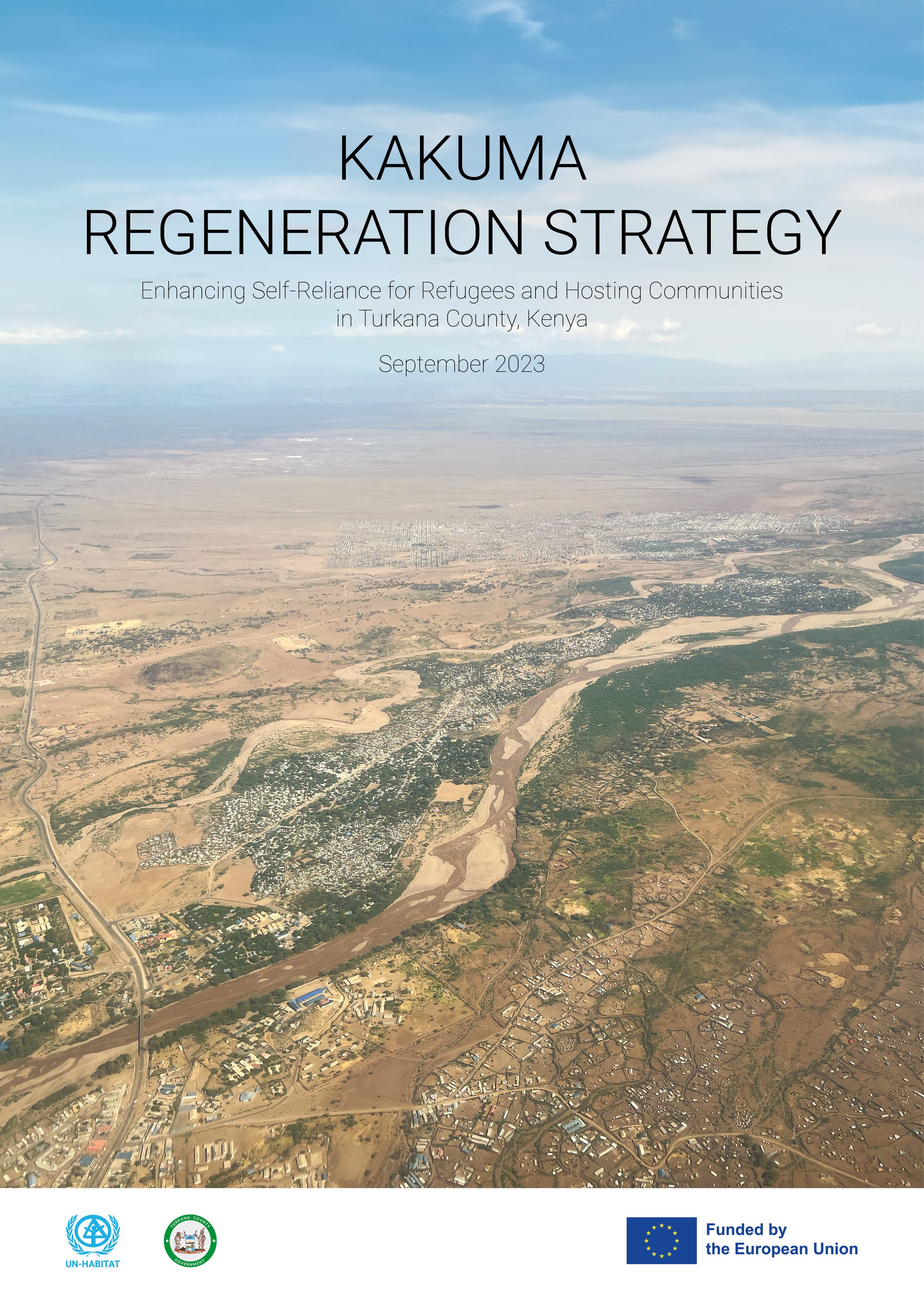
Enhancing Self-Reliance for Refugees and Hosting Communities in Turkana County, Kenya
UN-Habitat in collaboration with Turkana County Government, Kenya’s Department of Refugee Services (DRS), United Nations partners, host and refugee communities and other stakeholders have prepared an urban regeneration strategy for Kakuma Refugee Camp and Kalobeyei Settlement, Turkana County, Kenya. This Kakuma Regeneration Strategy is an output of the European Union funded programme, “Enhancing Self Reliance for Refugees and Hosting Communities in Kenya."
The programme has aimed to improve the capacity of national and county governments to improve refugee management and urban planning in Turkana County alongside implementation of Kenya’s Comprehensive Refugee Response Framework (CRRF) and 2021 Refugees Act. This report is preceded by the publication of the “Kakuma-Kalobeyei Spatial Profile” and “Kakuma-Kalobeyei Future Vision,” which together established a common understanding of the existing challenges and opportunities, explored possible future scenarios, and presented a shared vision for what the locality could become. The final result is this detailed urban regeneration strategy, which proposes interventions and actions for realising the core components of the established future vision, including integration, economic growth, sustainability, and self-reliance.
Urban regeneration offers a path to overcoming economic, environmental, and socio-cultural challenges through physical revitalisation and improved governance. In this context, the recommendations respond to the unique challenges of protracted displacement by promoting a transition away from traditional models of hosting refugees in camps and providing parallel protection and assistance services. The proposed strategies seek to leverage growing interdependence between these communities to promote economic viability, attract external investment, restore degraded environments, and improve living conditions for all residents of the newly established Kakuma Municipality, refugees and host communities alike.
-
Enhancing Self-Reliance for Refugees and Hosting Communities in Garissa County, Kenya
UN-Habitat, in collaboration with the Garissa County Government, Kenya’s Department of Refugee Services (DRS), United Nations partners, host and refugee communities, and other stakeholders, has prepared an urban regeneration strategy for Dadaab Refugee Complex and Dadaab Town in Garissa County, Kenya. This strategy is an output of the European Union funded programme, “Enhancing Self Reliance for Refugees and Hosting Communities in Kenya."
The programme has aimed to improve the capacity of the national and county governments to improve refugee management and urban planning in Garissa County alongside implementation of Kenya’s Comprehensive Refugee Response Framework (CRRF) and 2021 Refugees Act. This report is preceded by the publication of the “Dadaab Spatial Profile,” “Report on Socio-Economic Conditions, Businesses, and Local Economic Development in Dadaab” and “Dadaab Future Vision,” which together establish a common understanding of the existing challenges and opportunities, explore possible future scenarios, and present a shared vision for what the locality could become. The final result is this detailed urban regeneration strategy, which proposes interventions and actions for realising the core components of the established future vision, including integration, economic growth, sustainability, and self-reliance.
Urban regeneration offers a path to overcoming economic, environmental, and socio-cultural challenges through physical revitalisation and improved governance. In this context, the recommendations respond to the unique challenges of protracted displacement by promoting a transition away from traditional models of hosting refugees in camps and providing parallel protection and assistance services. The proposed strategies seek to leverage growing interdependence between these communities to promote economic viability, attract external investment, restore degraded environments, and improve living conditions for all residents of the newly established Dadaab and Bura Municipalities, inclusive of refugees and host communities alike.
-
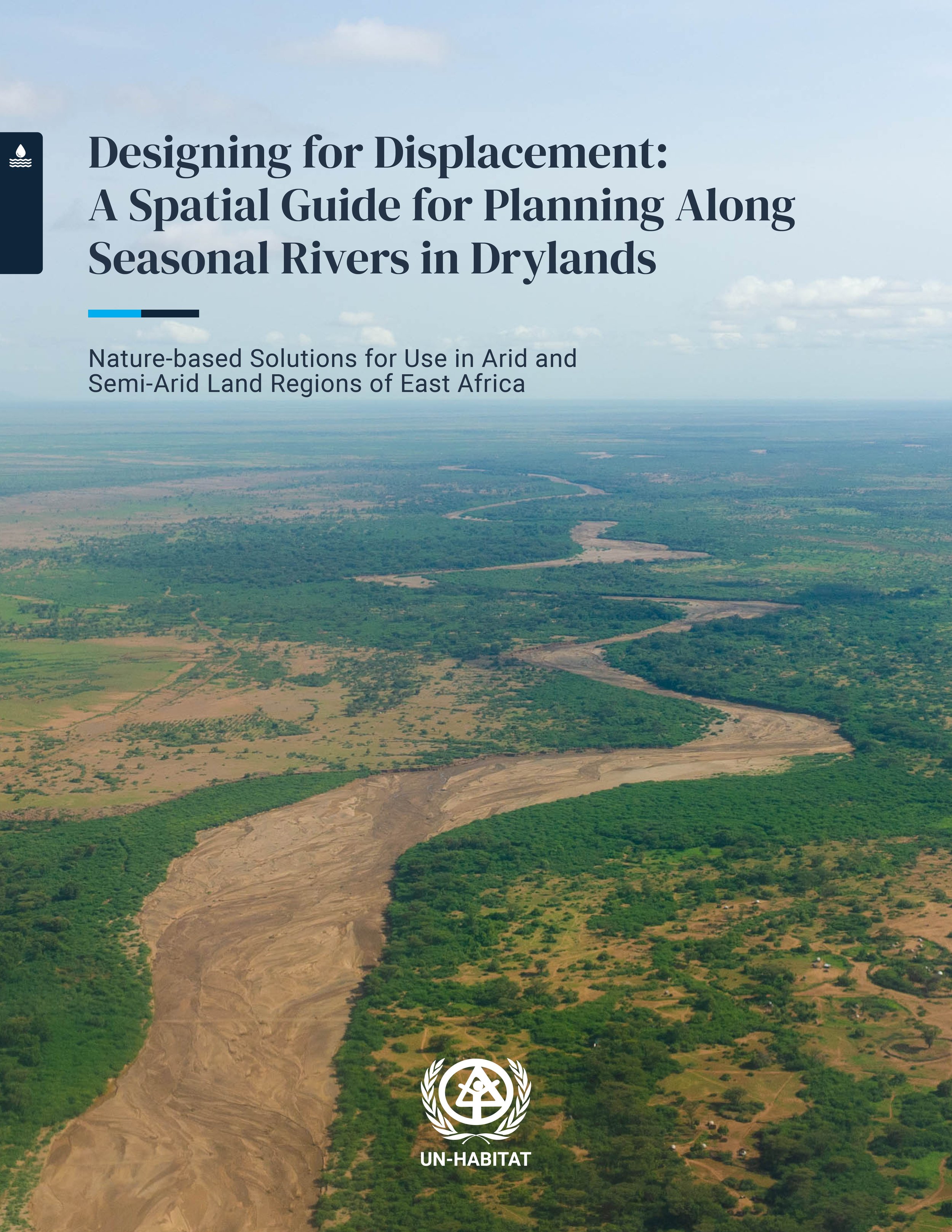
Designing for Displacement:
A Spatial Guide for Planning Along Seasonal Rivers in DrylandsNature-based Solutions for Use in Arid and Semi-Arid Land Regions of East Africa
This collection showcases Nature-based Solutions (NbS) tailored for the unique challenges posed by seasonal rivers within contexts of protracted displacement, particularly within the arid and semi-arid landscapes of East Africa. Drawing on traditional practices, it champions resilience by advocating for spatial planning and design strategies to foster sustainable land and resource management with parallel avenues for economic development and livelihood enhancement.
—
UN-Habitat is mandated to promote the development of socially and environmentally sustainable human settlements while addressing the multifaceted challenges confronting urban areas: climate change, environmental degradation, informal expansion, spatial segregation, economic exclusion, and irregular migration. With instability triggered by conflicts, crises, and climate shifts becoming more persistent and widespread, the global landscape witnesses a surge in individuals enduring protracted displacement. A significant portion of these individuals find refuge in some of the world’s most impoverished and resource-scarce nations, often settling in areas already grappling with economic and environmental challenges. Consequently, relying on humanitarian aid alone often falls short in meeting the enduring needs of these displaced populations and their host communities.
In acknowledgement of the intricate links between humanitarian crises, climate shifts, and settlement challenges, this guide aims to establish a knowledge repository of spatial planning and design strategies. These strategies are intended for adoption by humanitarian and development practitioners, national and local governments, and other stakeholders. Specifically, it introduces a collection of Nature-based Solutions (NbS) tailored for use in the context of protracted displacement in dryland regions marked by intermittent or seasonal rivers, notably within the arid and semi-arid land (ASAL) territories of East Africa.
By building on existing knowledge and traditional techniques, this technical resource promotes sustainable land and resource management. It introduces cost-effective and sustainable techniques alongside complementary avenues for economic development and livelihood enhancement. While recognising the diversifying challenges and the imperative of context specific planning rooted in local expertise, this guide has been assembled to inspire all those striving to improve self-sufficiency and climate resilience while planning for the sustainable development of dryland settlements impacted by intermittent rivers.
-
[In Development]
-
Report on the Socio-Economic Conditions, Businesses, and Local Economic Development in Dadaab, Kenya
-
-
-
[Awaiting Publication]
-
-


2019 - PRESENT
New York, United States
Founder, Designer
Spatial Politics is an architectural and urban design practice that pursues service and impact in the built environment through spatial design and applied research. It seeks to demonstrate a more equitable and inclusive model of practice motivated by expanding access to design and prioritizing the agency of individuals and communities in shaping their own cities and spaces. Through its work, Spatial Politics calls for a radical reimagining of the role of design in society, one that recognizes its inherent political nature and embraces its potential to promote a progressive social agenda.
As a concept, Spatial Politics refers to the power dynamics that manifest and are negotiated in physical space. It can involve the distribution and allocation of resources, the use of and control over land and property, the establishment of borders, and the enforcement of territorial claims. Spatial Politics also includes the construction of and representation of space in social, cultural, and political contexts, and the ways in which space is experienced and contested by different individuals and groups of people.
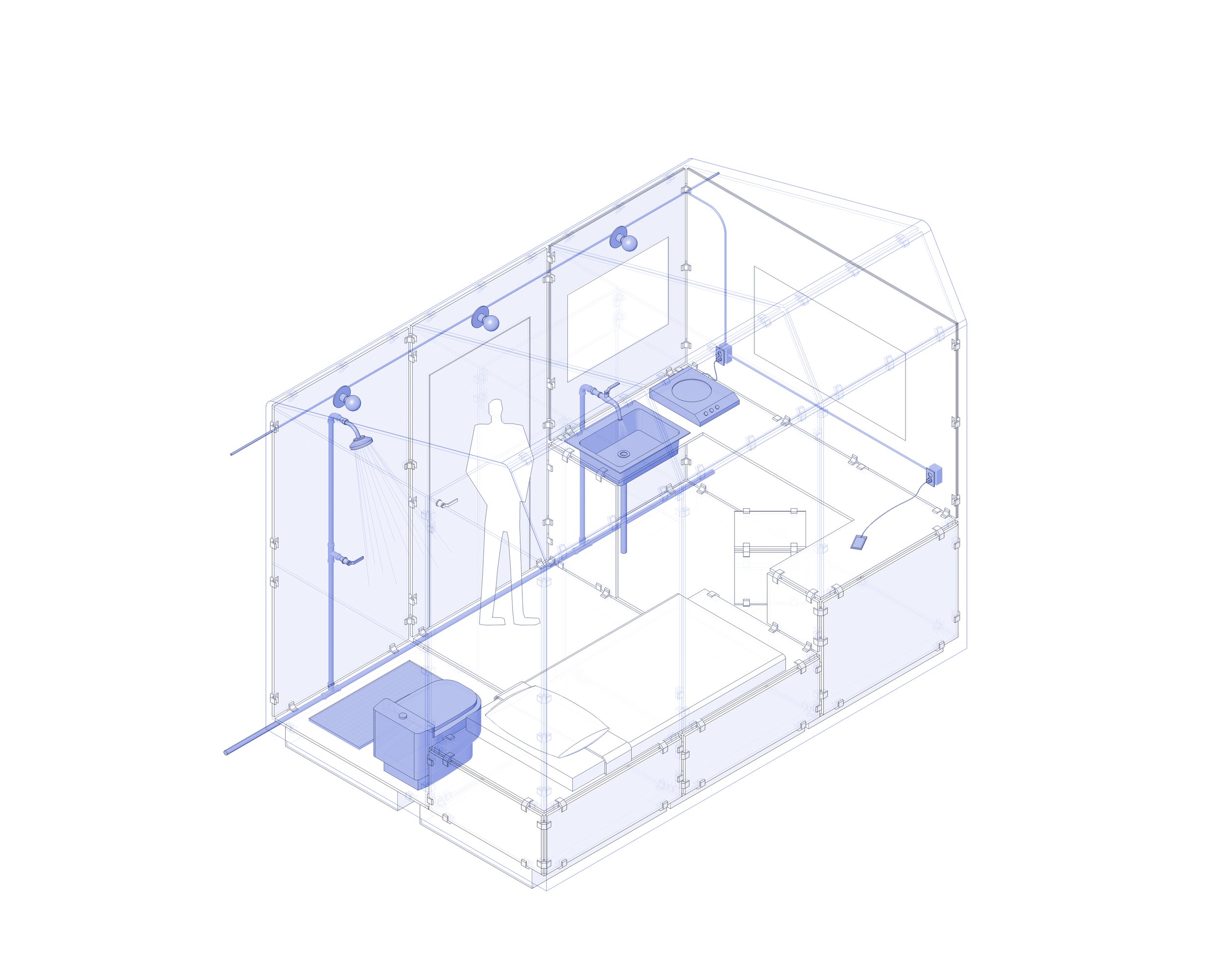
HOUSELET
NEW YORK, UNITED STATES
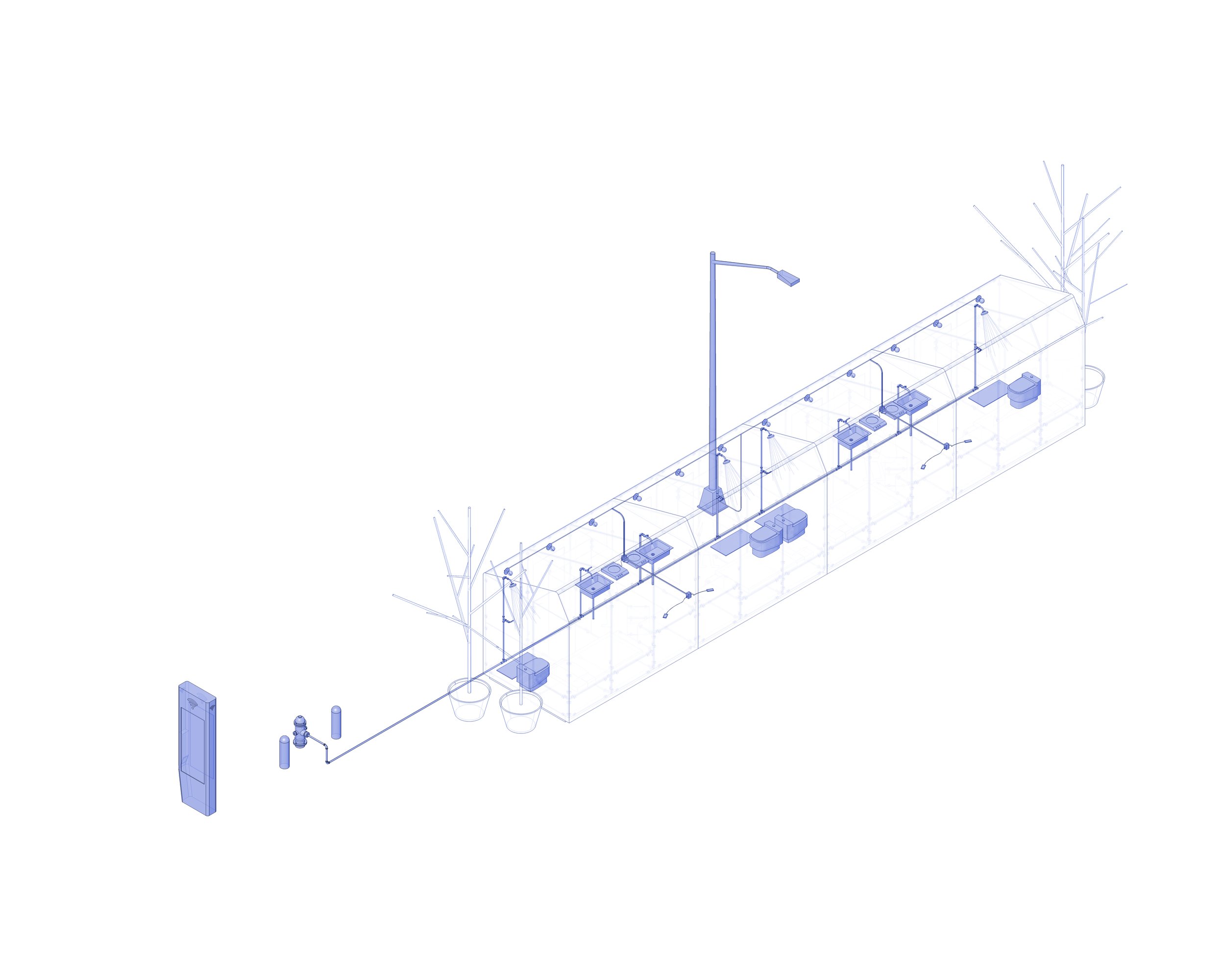
The COVID-19 global pandemic has exacerbated the homelessness crisis and amplified existing challenges that people experiencing homelessness face, including vital access to shelter, sanitation, and digital services. Houselets utilize existing urban infrastructure to create safe, temporary housing for people experiencing homelessness amidst a global pandemic.
Featured in the “City Life After Coronavirus: Gallery of Urban Ideas” online exhibition presented by the Urban Design Forum
Finalist (Top 5) in Design Class’s “Coronavirus Design Competition,” which we discussed further in a follow-up interview: “Design is a tool to amplify others’ voices, co-create a new world, and enable social change”
Shortlisted (Top 20 out of 400+ entries) for the “Pandemic Architecture: International Ideas Competition” presented by Archisearch, a Greek online magazine and biannual free press for architecture and design

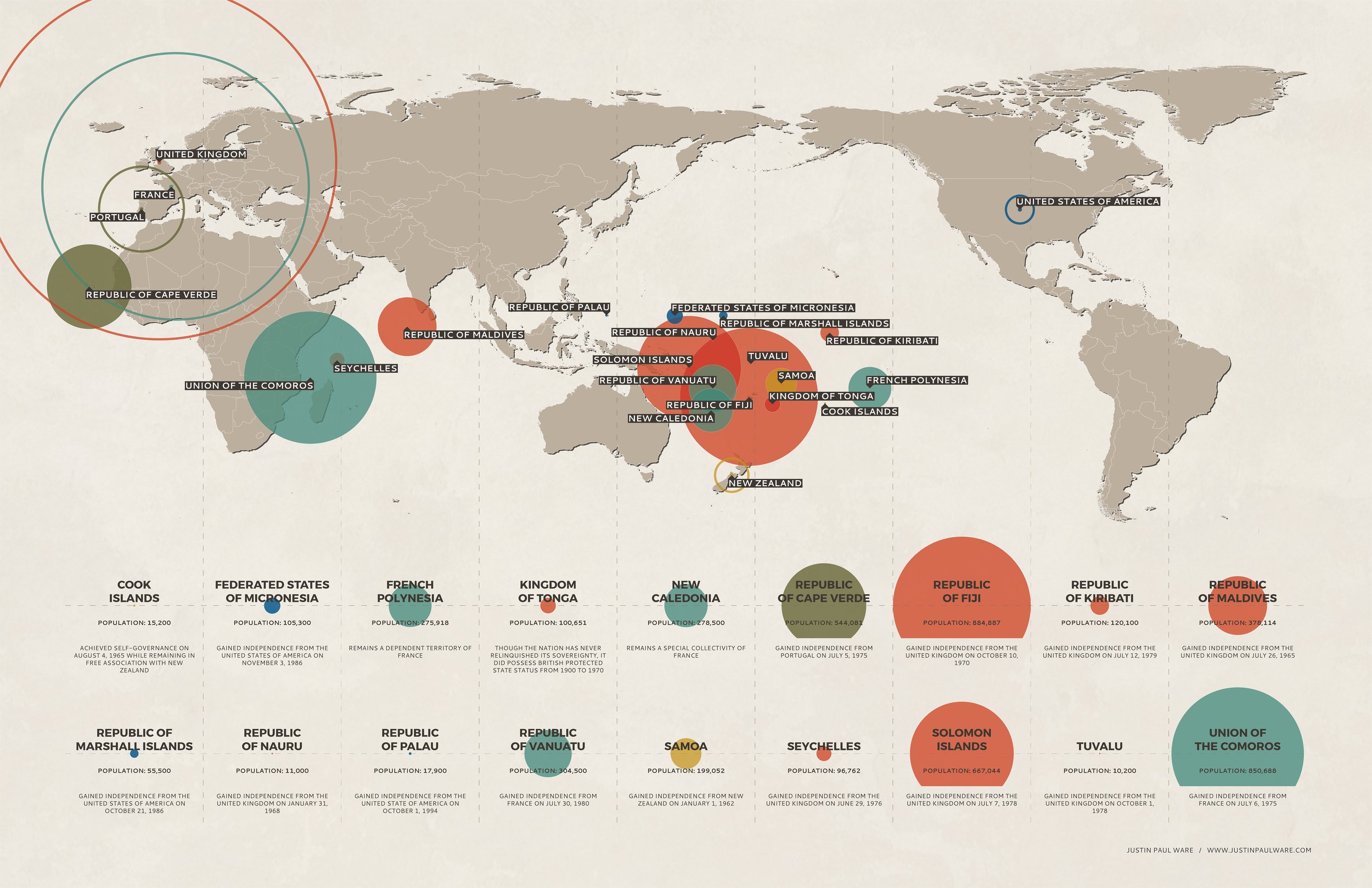
Displaced Nations
Eighteen island nations and territories that may soon be uninhabitable due to sea level rise accelerated by climate change
“Displaced Nations” (Medium)

The Atlas of Informal Infrastructure
[ONgoing]
Speaking
-
24 March, 2023
-
07 February, 2023
-
19 December, 2018
-
28 June, 2018
-
17 April, 2018
2013 - 2021
New York, United States
Senior Project Manager, Designer, Brand Strategist
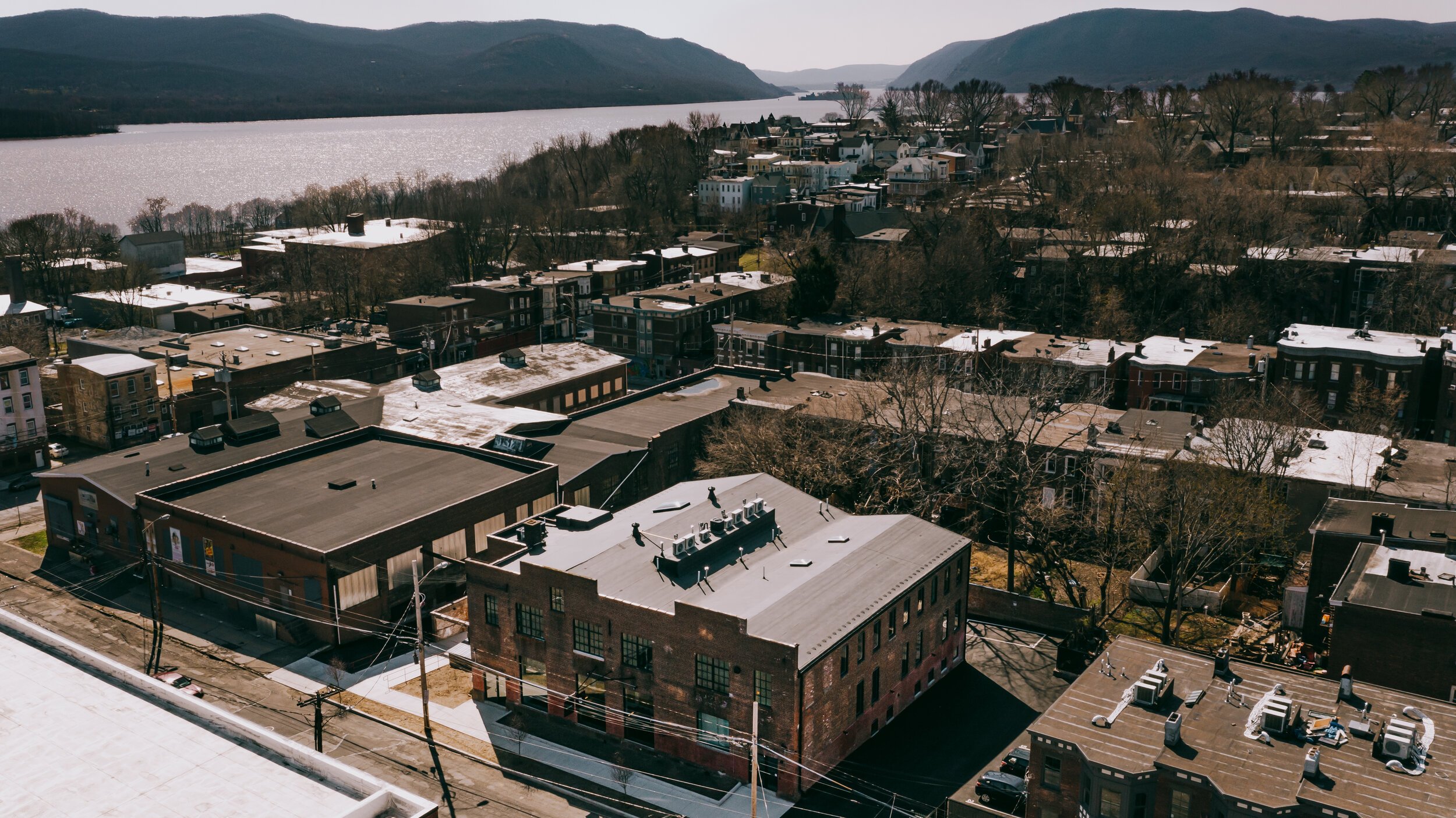
I worked as a senior project manager, designer, and creative strategist; have been involved in projects across the world, from concept through construction, in sectors including hospitality (The Maker, ‘Wichcraft), adaptive reuse (Wireworks), retail (Innisfree), workspace, residential, mixed-use (Long Island City Campus), and more; and have developed and maintained long-term multi-project client, consultant, and partner relationships on work that spans architecture, interiors, branding, and creative strategy.
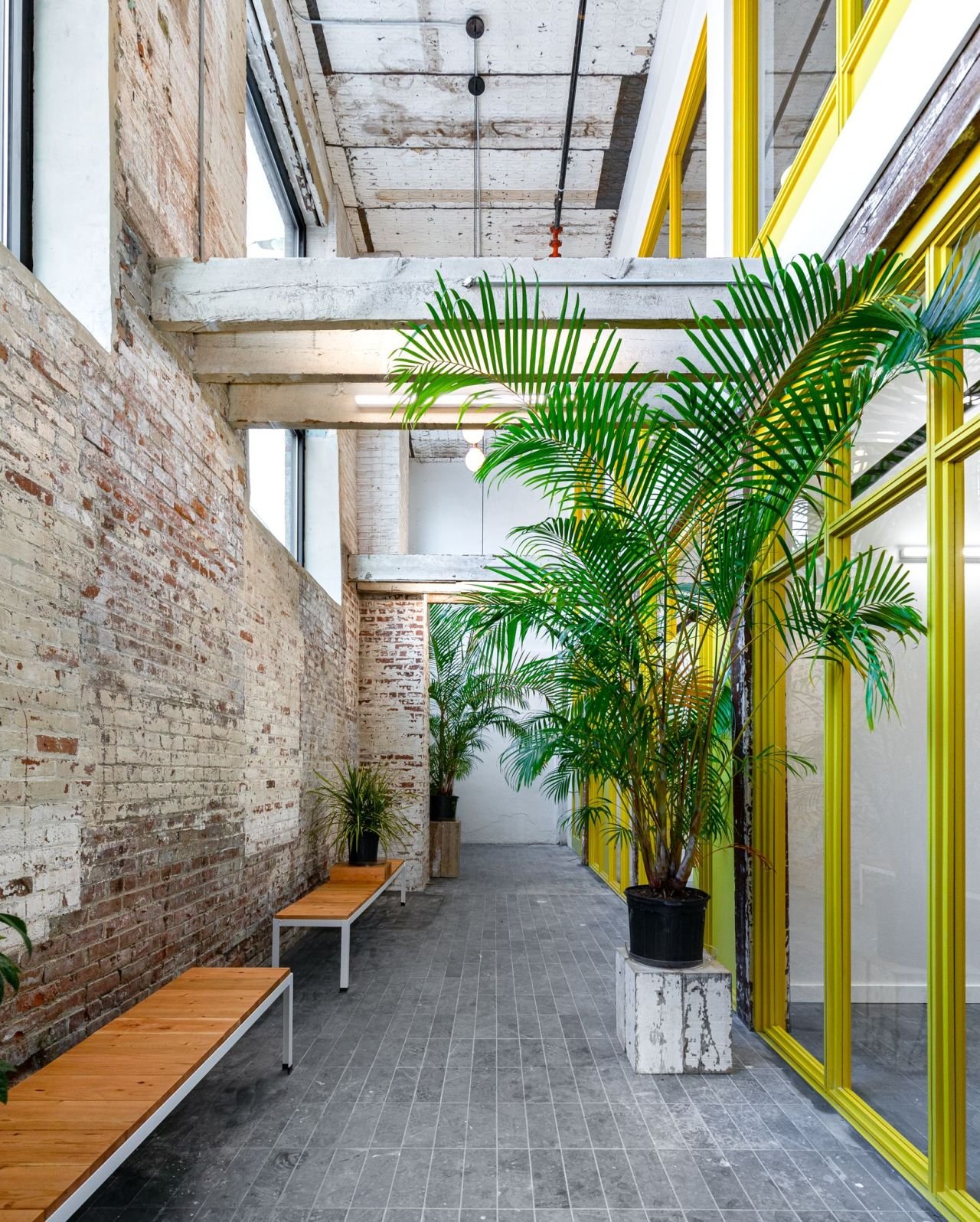
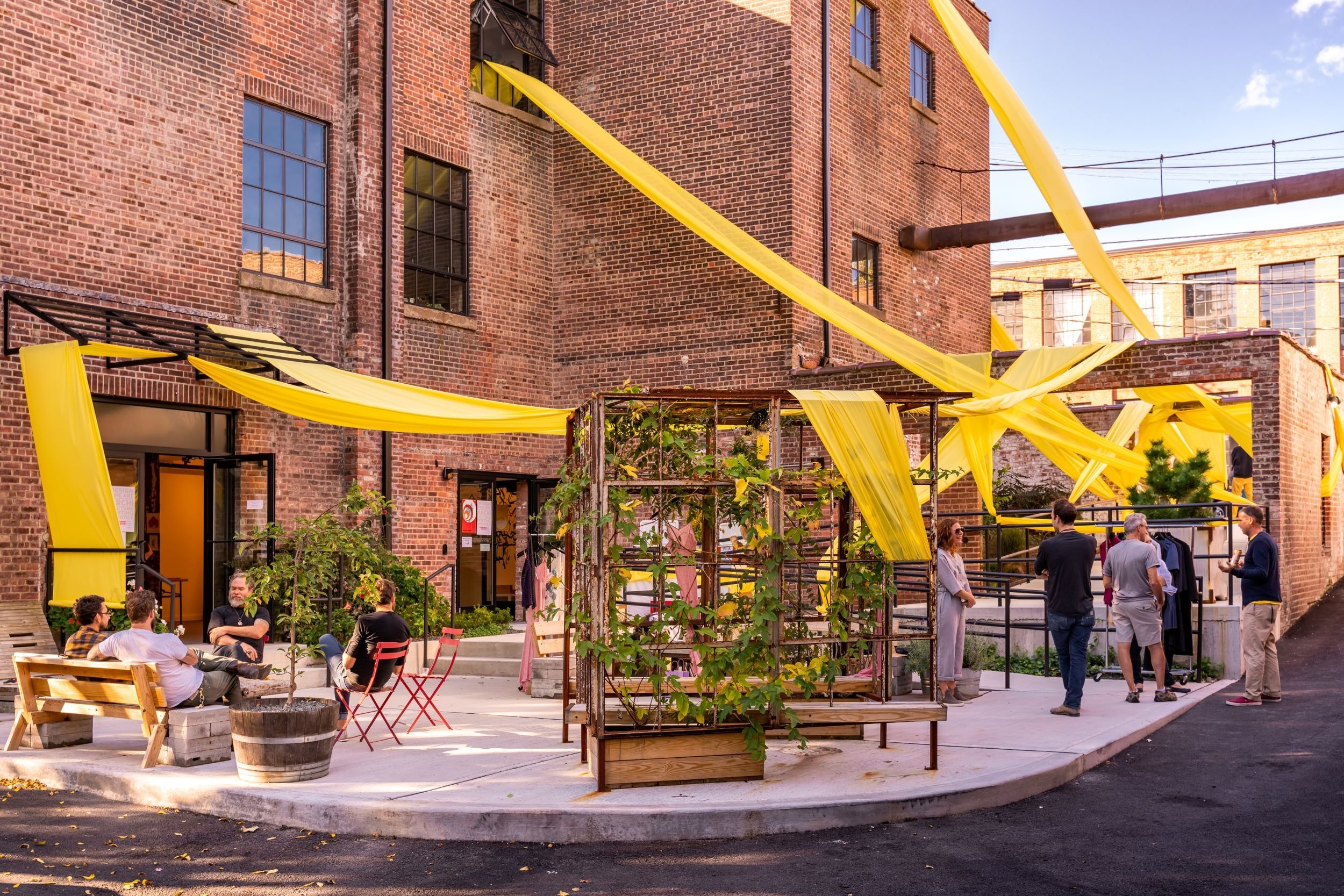
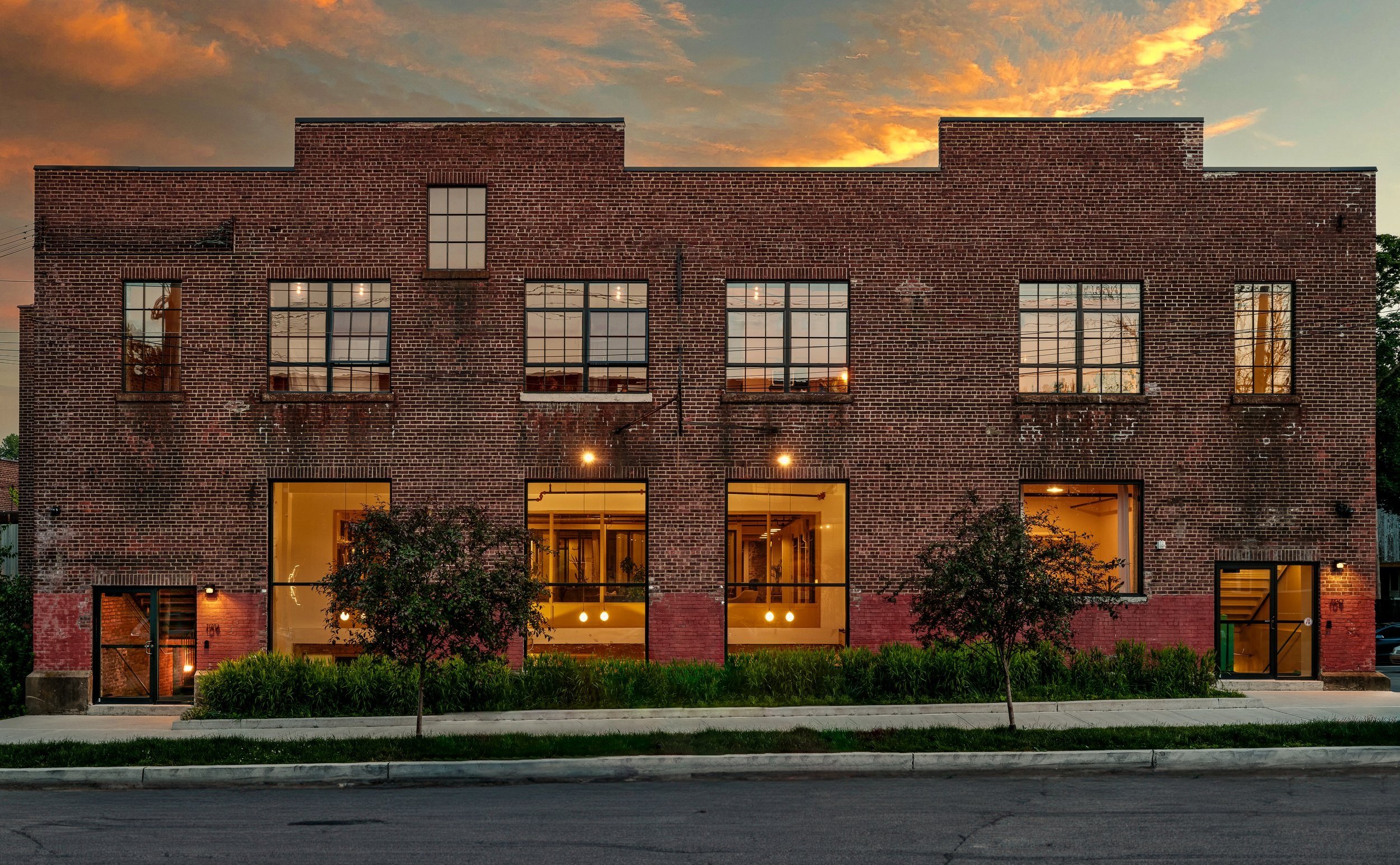
Wireworks
Newburgh, New York
A Mapos-initiated and architect-led, development and adaptive reuse of an historic factory into a café/restaurant, co-working space, and loft apartments
“A Historic Newburgh Factory Transforms Into a Sleek Mixed-Use Apartment Hub” (Hudson Valley Magazine)
“Build Back Brighter: The Revitalization of Newburgh is Finally Happening...But For Whose Benefit?” (Chronogram)
The Maker Hotel
Hudson, New York
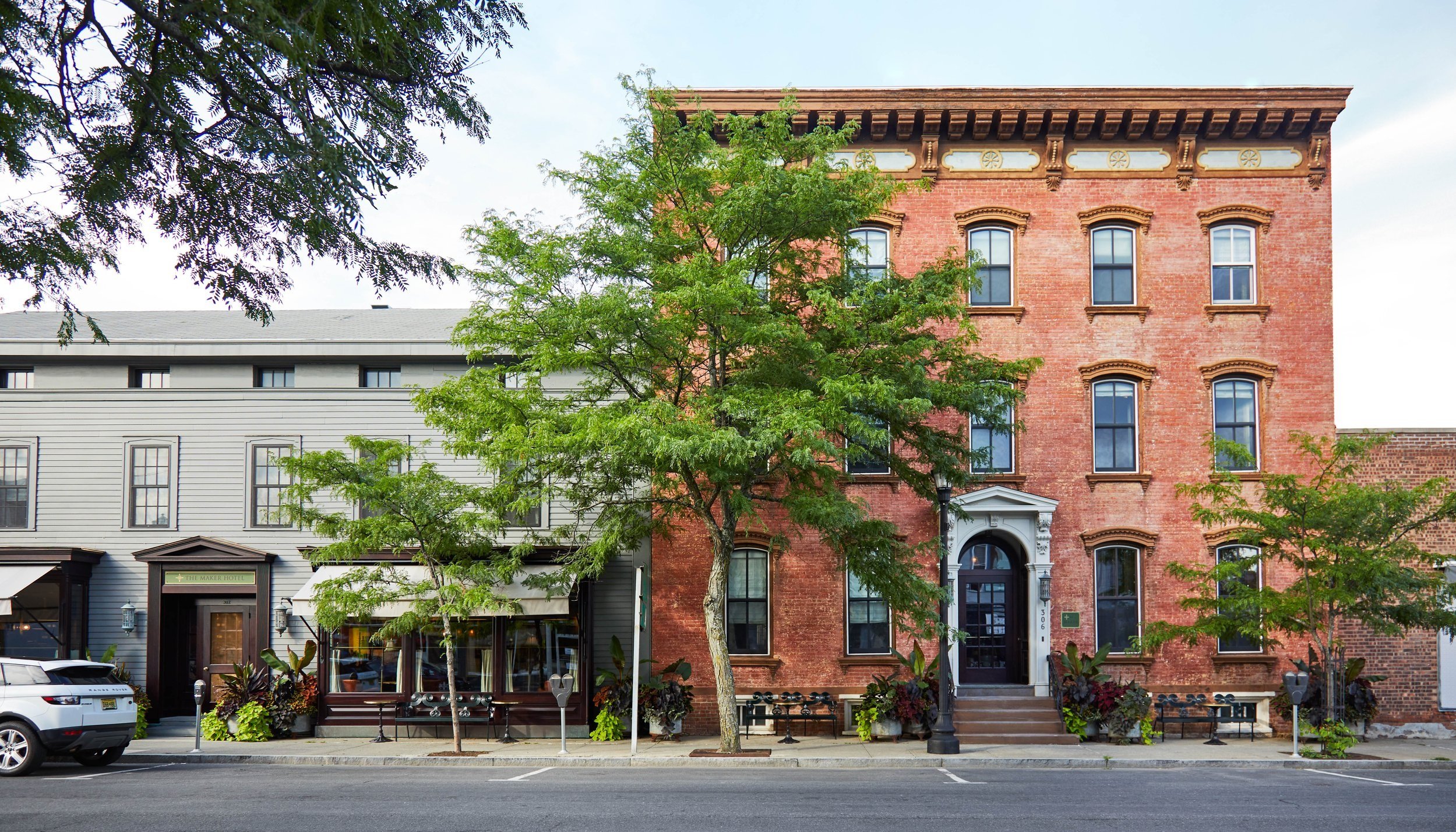
The adaptive reuse of and joining of multiple historic buildings in downtown Hudson, New York into a high-end boutique hotel with eleven guest suites, a restaurant, a cocktail lounge, and a cafe
“In Upstate New York, a Hotel Dedicated to Creatives” (T: The New York Times Style Magazine)
“The Maker Hotel in Hudson channels ‘old-world bohemian glamour’” (Dezeen)
“The Forthcoming Maker Hotel is a Design Destination Worthy of Royalty” (Chronogram)
Recognized by Architectural Digest as “one of the best new hotel openings of the past year” with a “2021 Hotel Award.”
Recognized by Condé Nast Traveler as “A Design-Heavy Hot Spot In Upstate New York” and one of 69 winners selected for their “2021 Hot List.”
Recognized by Travel + Leisure as one of 71 hotels featured on their “It List 2021: Our Editors’ Picks of the Best New Hotels in the World.”
Recognized by Departures as one of “The Best New Five-Star Lodges and Resorts in the US” with a “2021 Legend Award.”
‘Wichcraft
New York, United states
A new space design concept for the decade-old sandwich restaurant chain with shops across New York City
Master of Emergency Architecture + Urban Resilience
I earned the Master’s in Emergency Architecture + Urban Resilience degree with honors, a unique Italian post-graduate specialization program established in partnership with the international non-profit organizations Emergency Architecture and Human Rights and Architecture + Human Rights to improve the professional response of architects within the context of humanitarian emergencies (conflicts and natural disasters), rapid urbanization, and poverty.
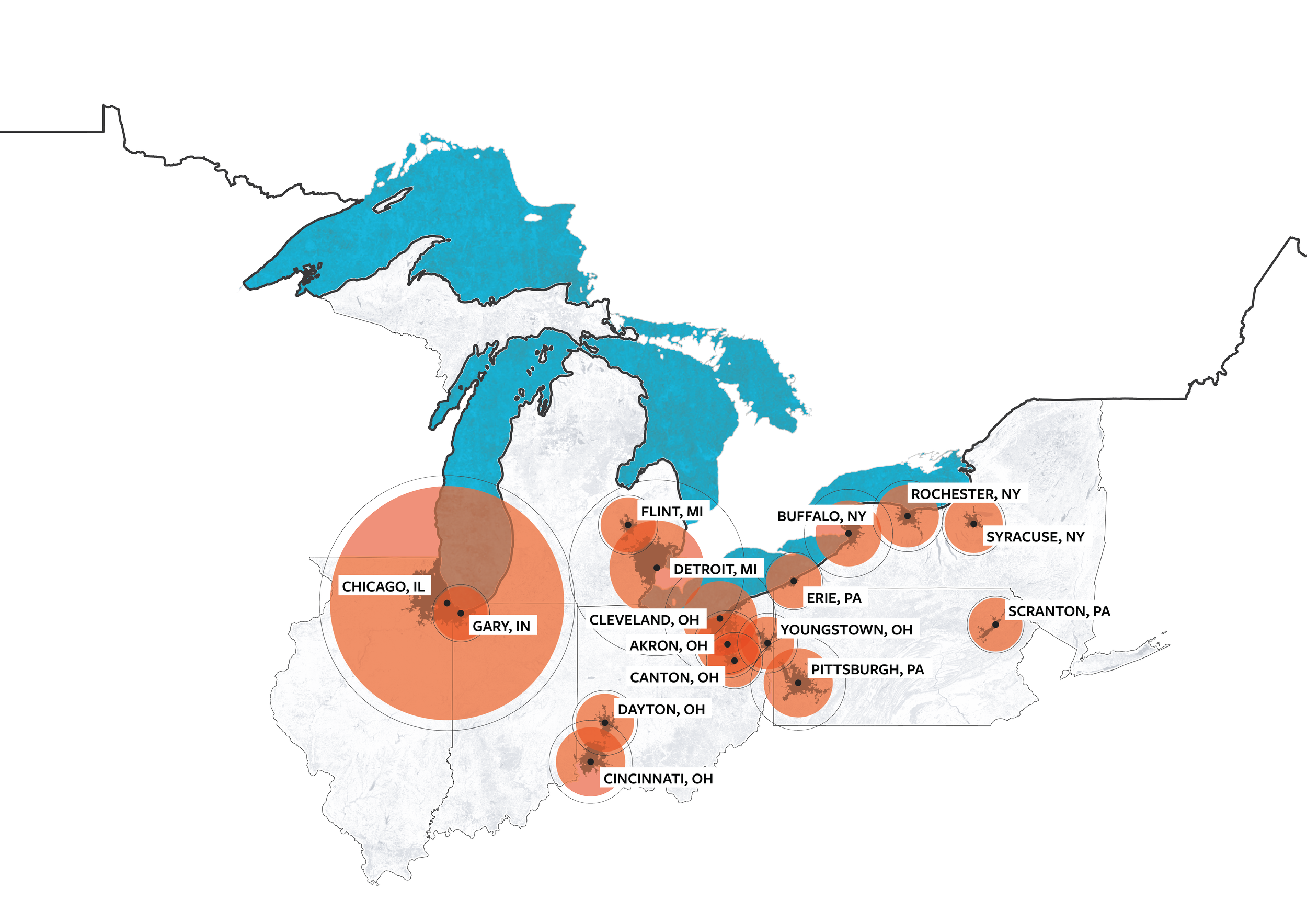
The Great Lakes Green Belt
Revitalizing America’s Post-Industrial Cities Through the Resettlement of Environmental Migrants
A year-long independent research-based design project that presents a strategy for revitalizing America’s post-industrial cities through the resettlement of environmental migrants
Climate change is accelerating, shifting the “human climate niche,” the portion of the earth’s surface that experiences the optimal climate conditions for human life, and making large areas of the planet less suitable for inhabitation. This is expected to displace between 25 million and one billion people by 2050. However, the rigidity of the modern nation-state regime, the international borders that define it, and resulting limits on the freedom of movement hinder natural migration, a key adaptation mechanism. Simultaneously, many wealthy nations face declining populations and aging demographics, threatening economic stability and overburdening social services. Post-industrial cities in these nations, which have suffered population declines, are in dire need of revitalization.
However, when paired with proper planning and strategic investment, these challenges may present an opportunity. Resettling displaced people, particularly environmental migrants, can address population declines and stimulate economic growth. In the United States of America, the Great Lakes Region, once a thriving industrial hub, is expected to experience relatively minor climate disruptions and could once again become a thriving center of resilient growth and development. By strategically resettling migrants and investing in the region, the United States could create a new “Great Lakes Green Belt,” a vibrant area characterized by sustainable development and economic renewal. This approach could help reverse population trends, revitalize the region, and position the United States as a global leader in responding to both climate change and environmental migration.


Architecture + Pandemics
Working Group
Within weeks of the 2020 COVID-19 Pandemic reaching Italy, colleagues from the Master Emergency + Resilience and I established a working group to discuss the crisis and consider our academic and professional roles in responding to it.
“Una proposta per ripensare le nostre città” for Internazionale
“Pandemics + Architecture” for Copenhagen Architecture Festival (CAFx)
“Pandemia y Arquitectura” for ARTEOFICIO 16 "Ciudad y Coyuntura"
2010, 2018 - 2019
Stockholm, Sweden
Designer
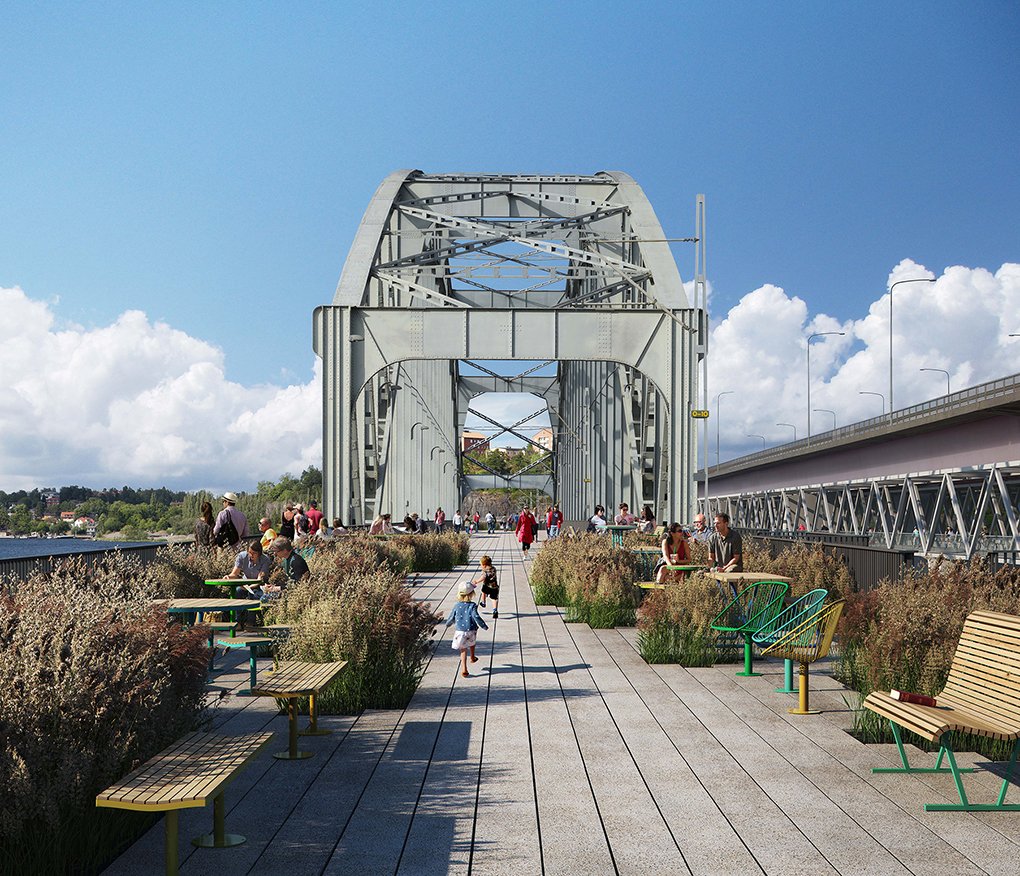
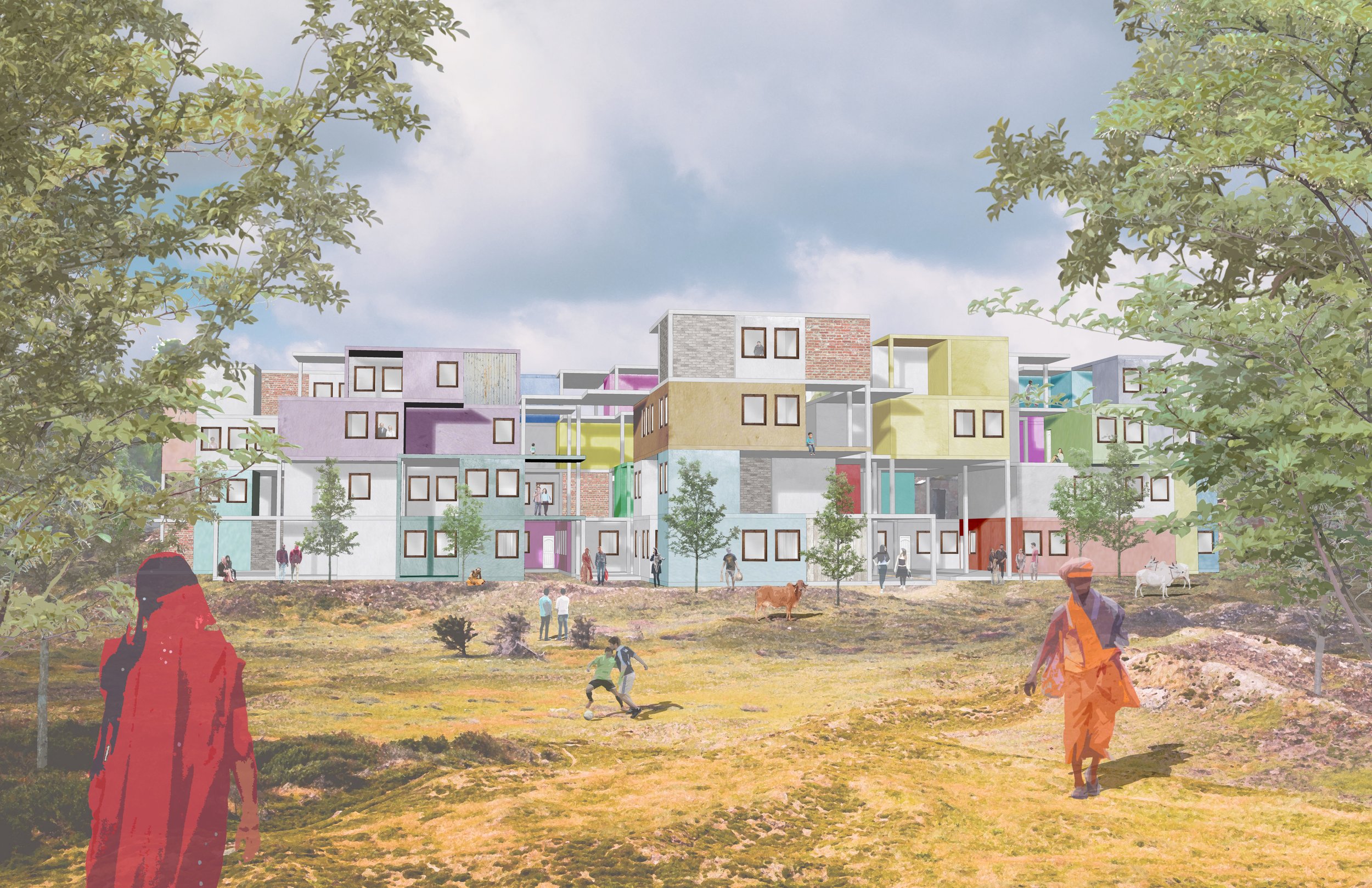
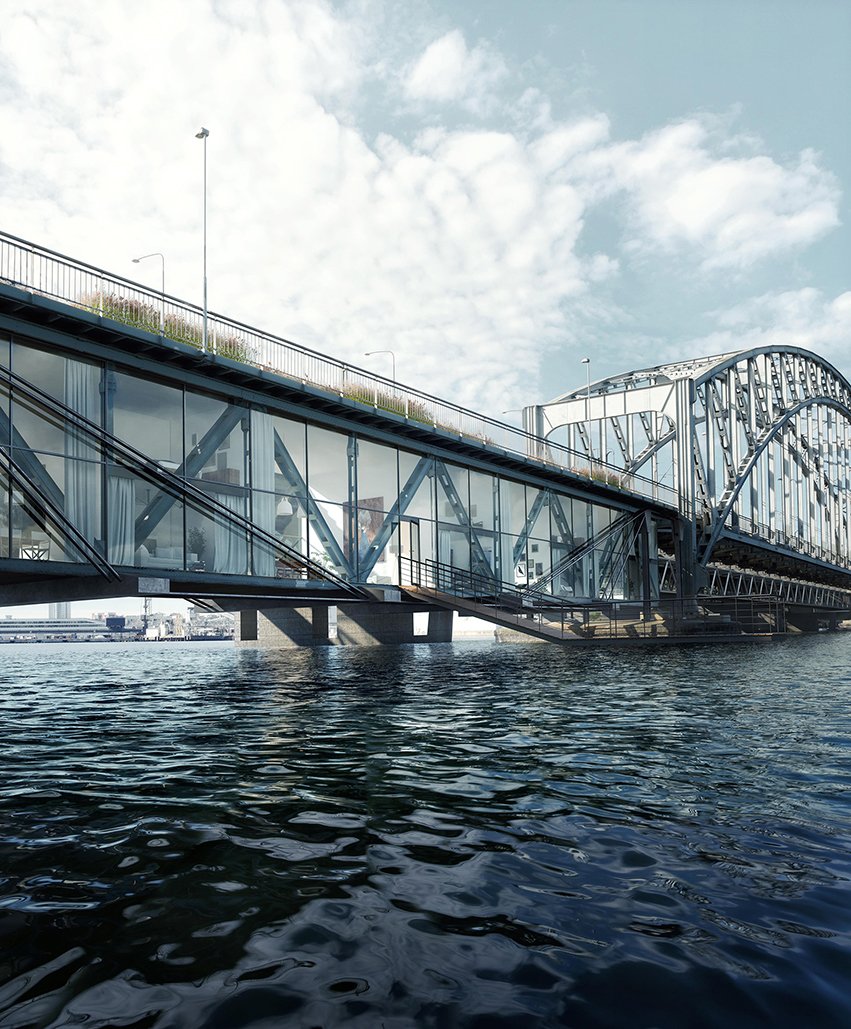
I worked as a designer and researcher on multiple urban and residential projects with the Swedish design studio; worked on various aspects of a bid to save and reenvision Gamla Lidingöbron, an historic bridge in Stockholm that was slated for demolition—the proposal: to transform the deck into an urban park and convert the structure into apartments to fund the work; and participated in the preparations for “Connecting Stockholm,” an exhibition presented at the city’s Arkitekturmuseet in 2010.
Gamla Lidingöbron
Stockholm, Sweden
A bid to save an historic bridge that is currently slated for demolition. Urban Nouveau’s proposal is to transform the deck into an urban park in the style of New York’s High Line, while converting the structure of the bridge into apartments in order to fund the work. Our strategy would save the city a large sum of money, allow it to preserve an iconic structure, and help it to create an incredible public space for all to enjoy.
“Urban Nouveau wants to save Stockholm's Gamla Lidingöbron bridge by building homes in it” (Dezeen)
Bachelor of Architecture (B.Arch.)
I earned a five-year Bachelor of Architecture professional degree alongside supplementary studies in Anthropology and Political Science; was awarded the Faculty Award for Outstanding Service to the School; was selected as a student representative to the 2012 Smart Geometry Conference; was selected three times to receive Plan New Hampshire’s Alfred T. Granger Fellowship; and worked on Blindfield, a sound/light installation featured at Troy’s Experimental Media and Performing Arts Center in 2010.
Aguas Informales
Mexico City, Mexico
A year-long thesis project which researches the major urban challenges surrounding access to water facing Mexico City and proposes a series of architectural interventions for providing for those most affected, the city’s informal communities
“Aguas Informales” (Medium)
Applied (In)Formality
Ahmedabad, Gujarat, India
While studying abroad in India, I completed a design research project focused on providing safe and low-cost housing solutions for an informal community currently occupying land at severe risk for flooding
Blindfield
Troy, New York, United States
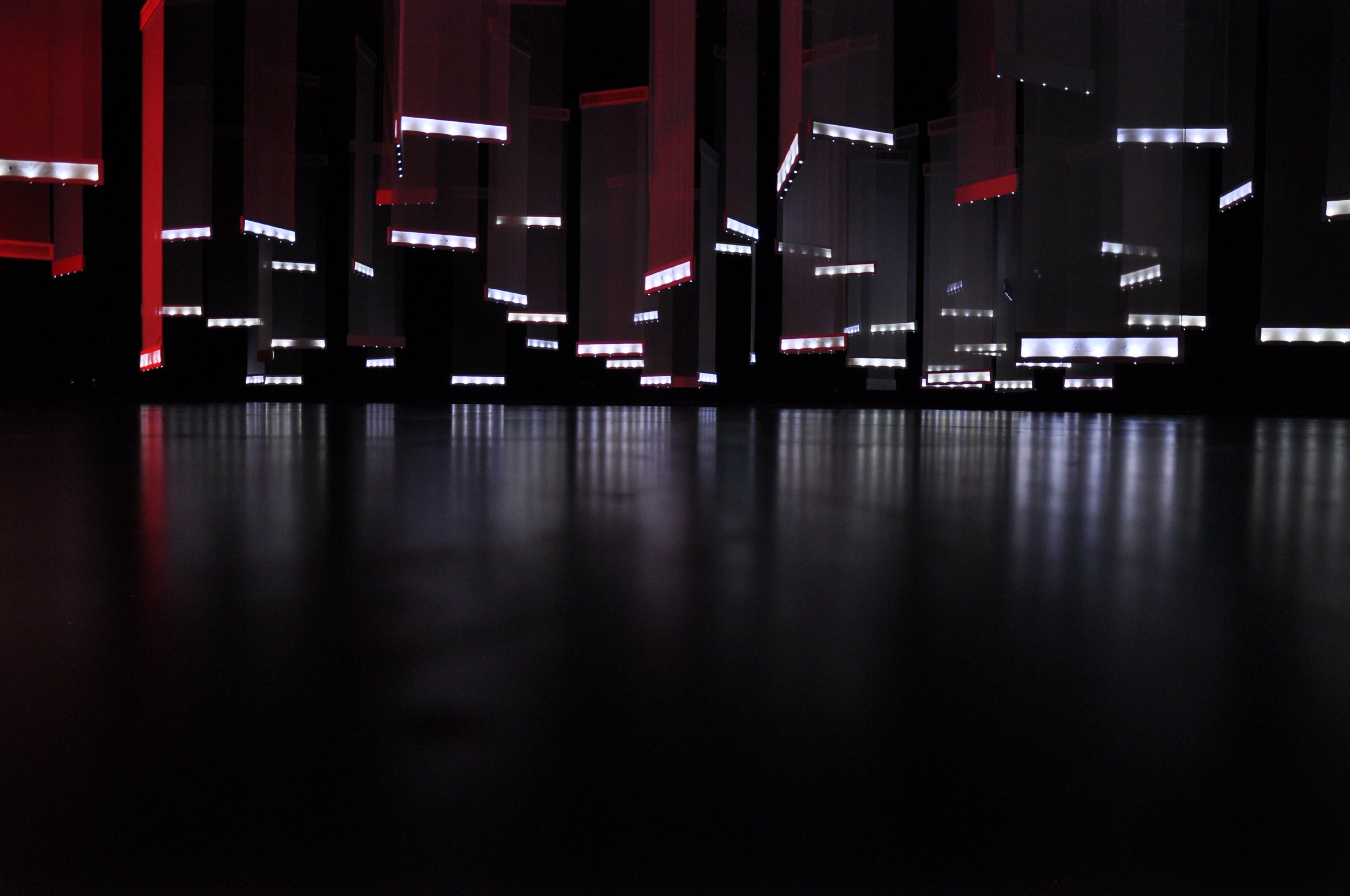
In 2010 I worked as part of a team of students with artist Francisco Lopez on the design, production, and installation of a sound and light installation, which was featured at the Experimental Media and Performing Arts Center for three days in September 2010
2011
Troy, New York, UNITED STATES
Designer, Research Assistant
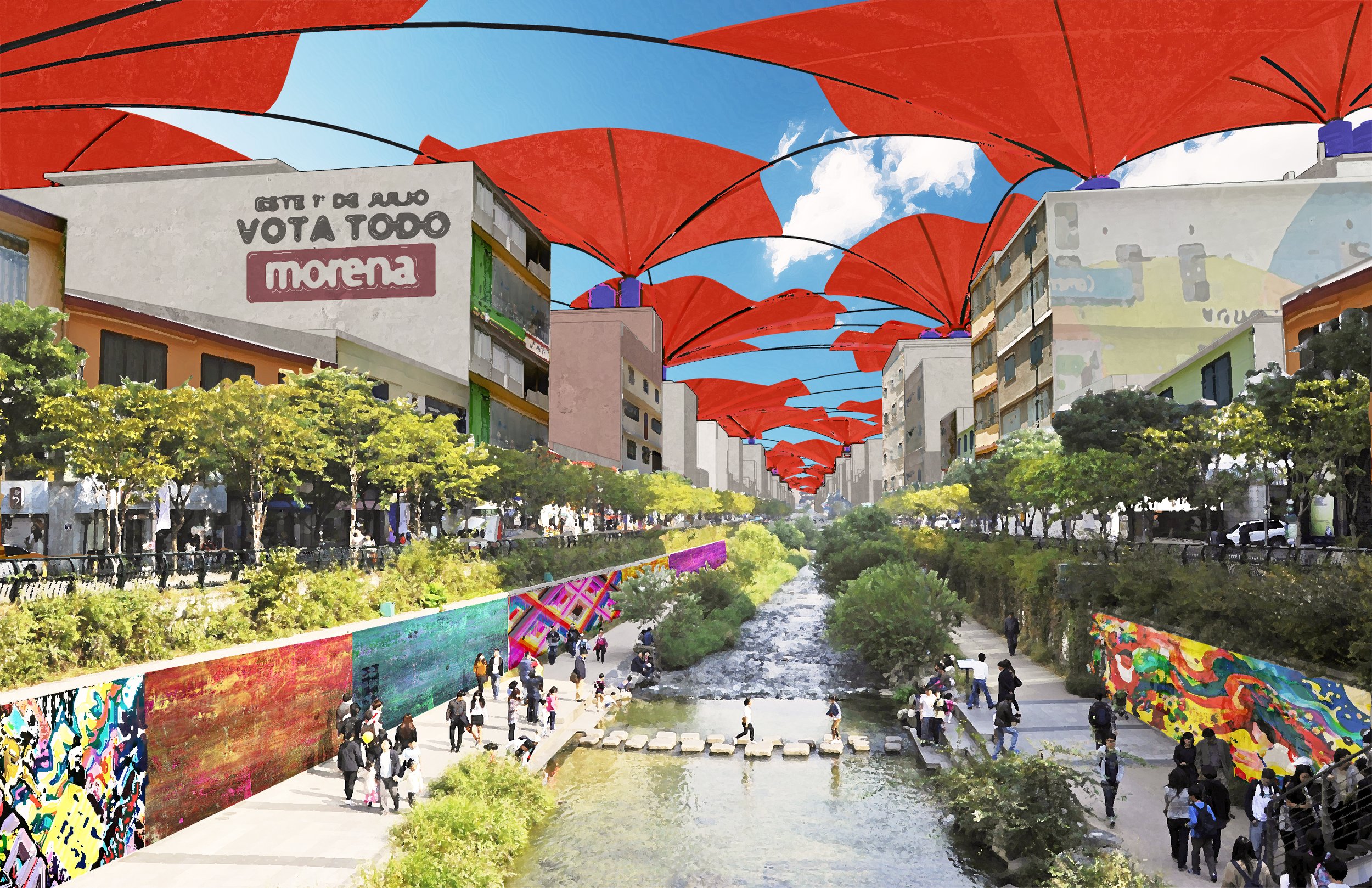
I worked as a designer and research assistant on a number of projects and competitions, including “Pseudospheric Surfaces,” an entry to the 2011 ACADIA/FLATCUT_ Design + Fabrication Competition, which was selected for Second Place in the “Partitions” category and “Tres Oculos Que Se Cruzan,” an entry to the 2011 Premio Arnet: A Cieolo Abierto Competition; and worked on multiple material research explorations with ceramics and paper.
Tres Oculos Que Se Cruzan
Córdoba, Argentina
A competition entry for a public pavilion which explores and challenges the formal capabilities of colonial roofing tiles by reclaiming materials left behind by the buildings that previously occupied the site